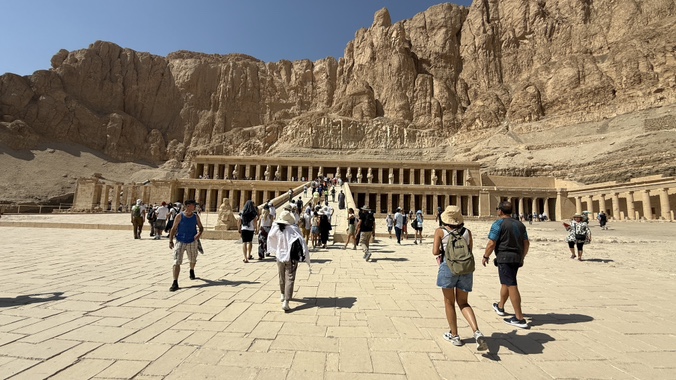
Day one: the west bank
From our hotel window in Luxor, hot-air balloons drifted over the Nile in the pale morning light. Across the river rose the hills where many Egyptian kings and queens were buried. We ate breakfast beside the pool, watching the river before our driver collected us at nine.
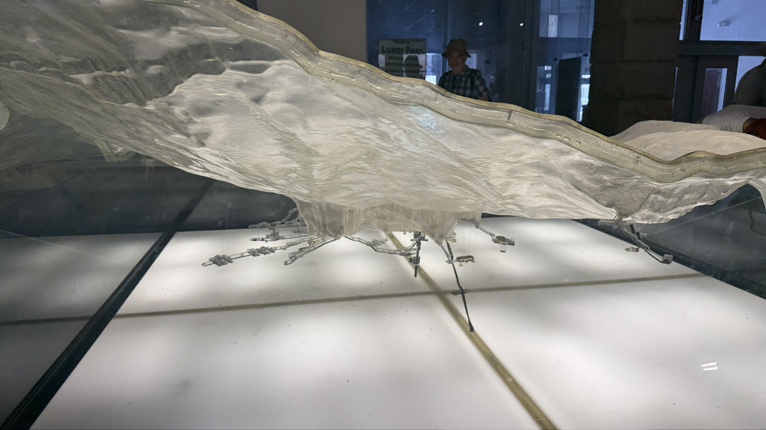
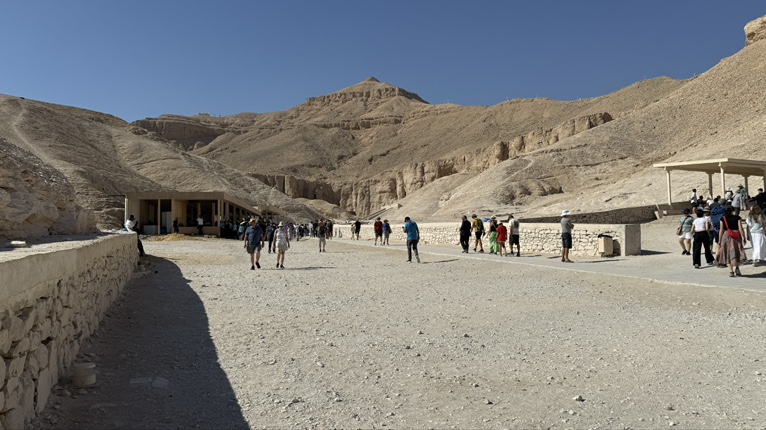
The drive to the Valley of the Kings took more than an hour. Our guide explained why New Kingdom rulers used hidden rock-cut tombs rather than pyramids. Above ground the valley looked barren; at the visitor center, a model showed the surprising network of passages below. Our ticket covered three tombs. Their painted walls were still vivid, with scenes of the sun god’s journey through the night. Compared with the cramped interior of Khufu’s pyramid, these chambers gave us room to stop and study the details.
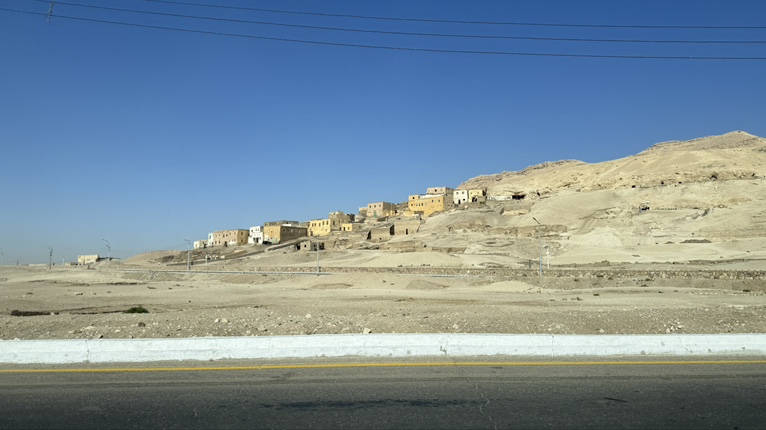
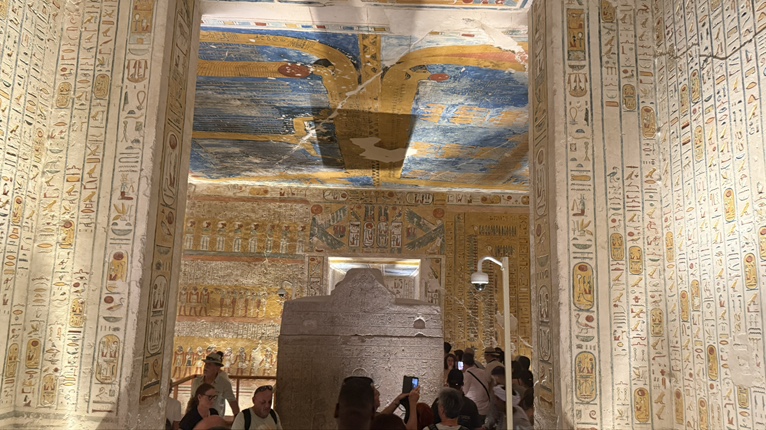
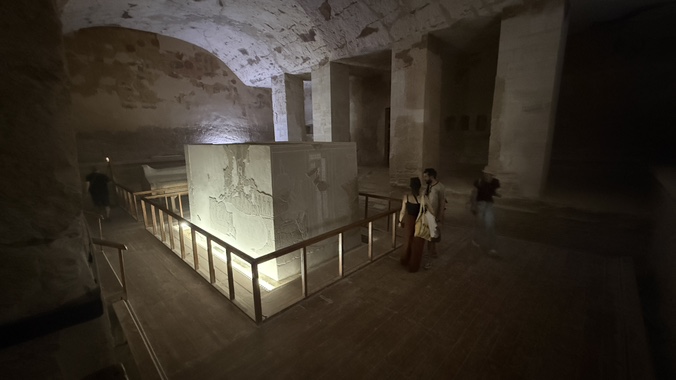
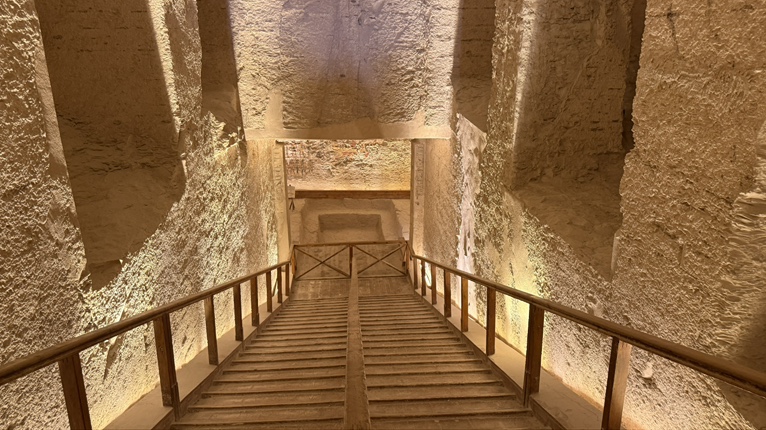
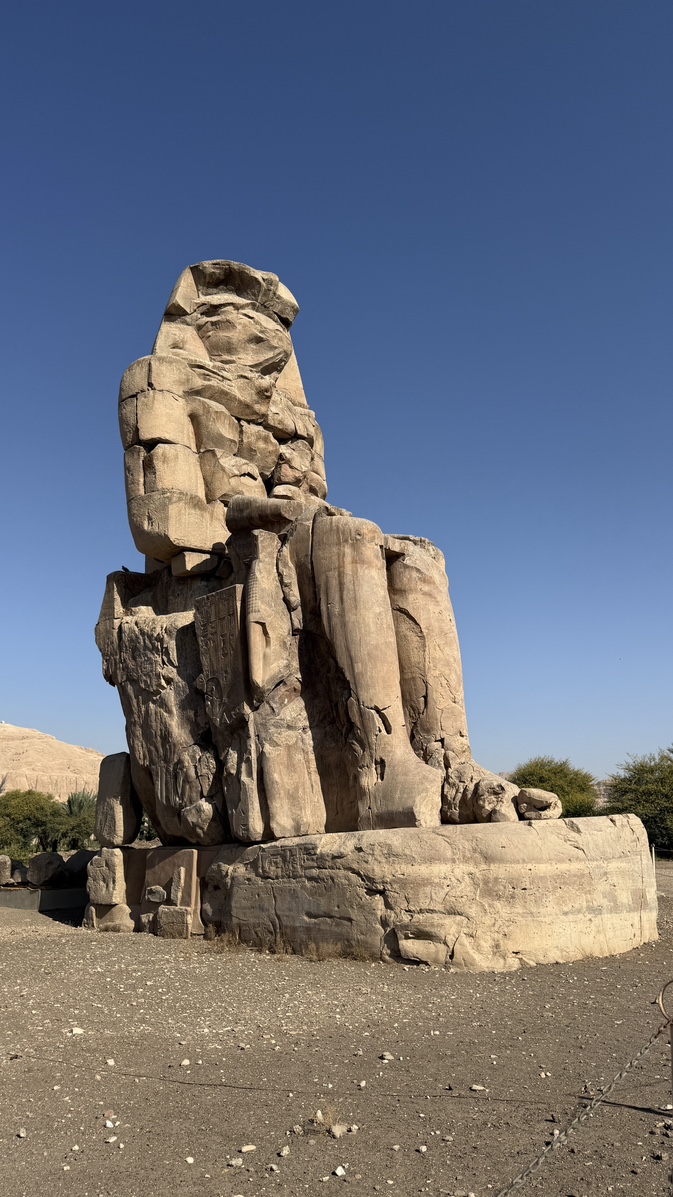
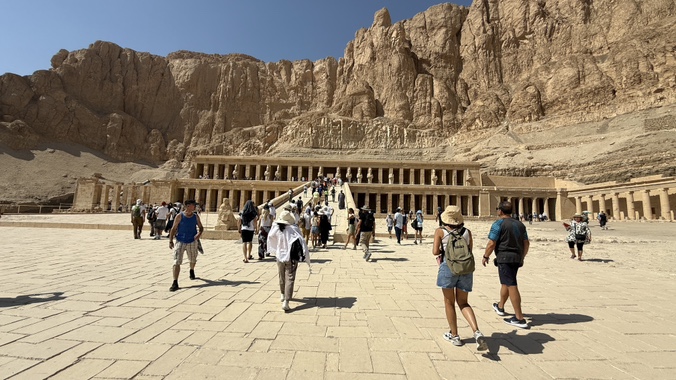
Next came the two Colossi of Memnon, remnants of Amenhotep III’s mortuary complex, and Hatshepsut’s terraced temple against the cliffs. Our guide compared the female pharaoh to a powerful woman ruler from Chinese history. He spoke about her trading expedition to Punt; near the temple we saw the remains associated with trees brought from that region.
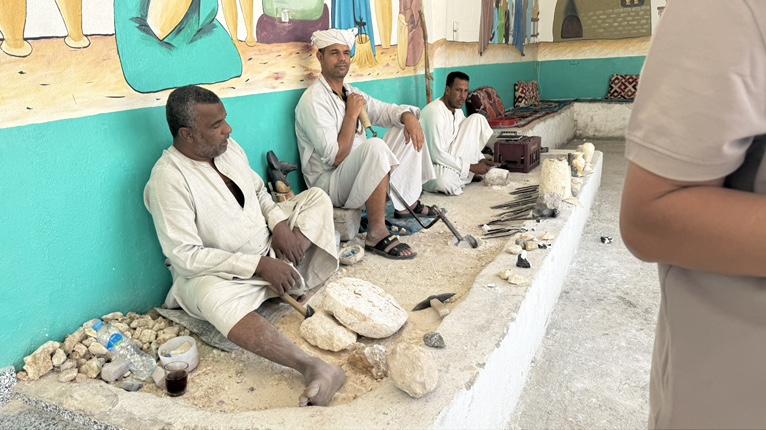
At an alabaster workshop we watched artisans turn translucent stone into lamps. Their craft was impressive, but the stop felt rather commercial and we did not buy anything. By afternoon the heat was intense, so we rested at the hotel. A nearby Chinese dinner was surprisingly authentic. Finding cash afterward was harder: five ATMs failed before the sixth worked. The experience reminded us to keep a cash reserve on hand in Egypt.
Day two: the east bank
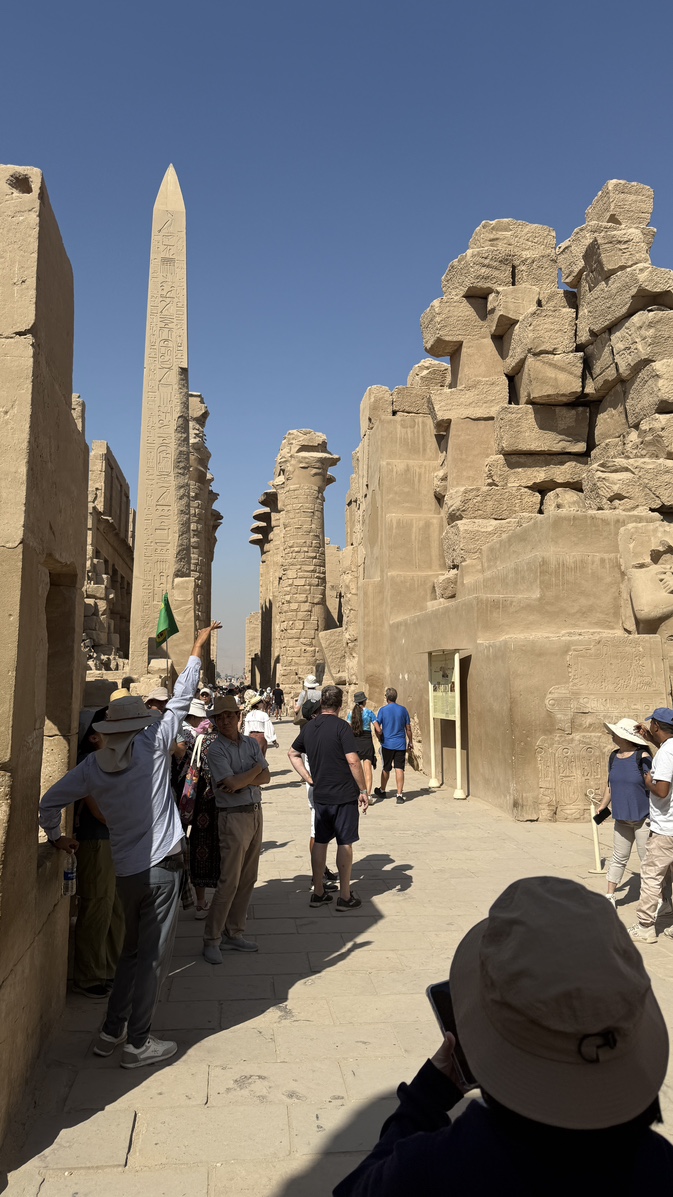
Our tour company offered a car for another day, and we used it to visit Karnak. A guide at the entrance showed us recommendations from Chinese visitors, so we hired him. The hypostyle hall’s 134 huge columns were overwhelming in person. He described sacred boats once brought toward the temple by water, the remaining sacred lake, and the ways successive rulers added their names and buildings to a complex built over generations.
Lunch by the Nile was fish prepared in a clay pot, with soup and small starters. In the afternoon we went to Luxor Temple, linked historically to Karnak by the Avenue of Sphinxes. Our guide described the Opet festival procession that carried divine images between the temples. At the entrance we saw where one of a pair of obelisks once stood; its counterpart is now in Paris’s Place de la Concorde. The temple felt more intimate than Karnak, even as the city moved around it.
That evening we ate at an English-style restaurant near the hotel, enjoying roast duck and the breeze off the river. The next day would take us back through Cairo and onward to Amman. Eight days in Egypt had been a rush of sunlight, painted tombs, stone columns and people who helped us along the way.
Reader Discussion · 0
No comments yet. Be the first to share your experience.