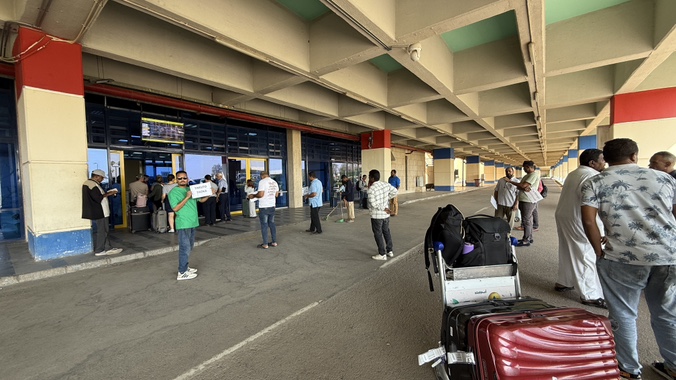
We took the 8 a.m. Nile Air flight from Cairo to Aswan. After reading warnings to arrive three hours early, we booked the earliest airport transfer; in the end we reached the gate in less than half an hour. Security was thorough but efficient. The aircraft felt older and the seats were close together, yet the flight was punctual and uneventful.
The complication came after landing. Our driver and guide held a sign naming another hotel in the same group. It took nearly an hour of calls to establish that they really were there for us. Once we had sorted it out, we headed for our first sight.
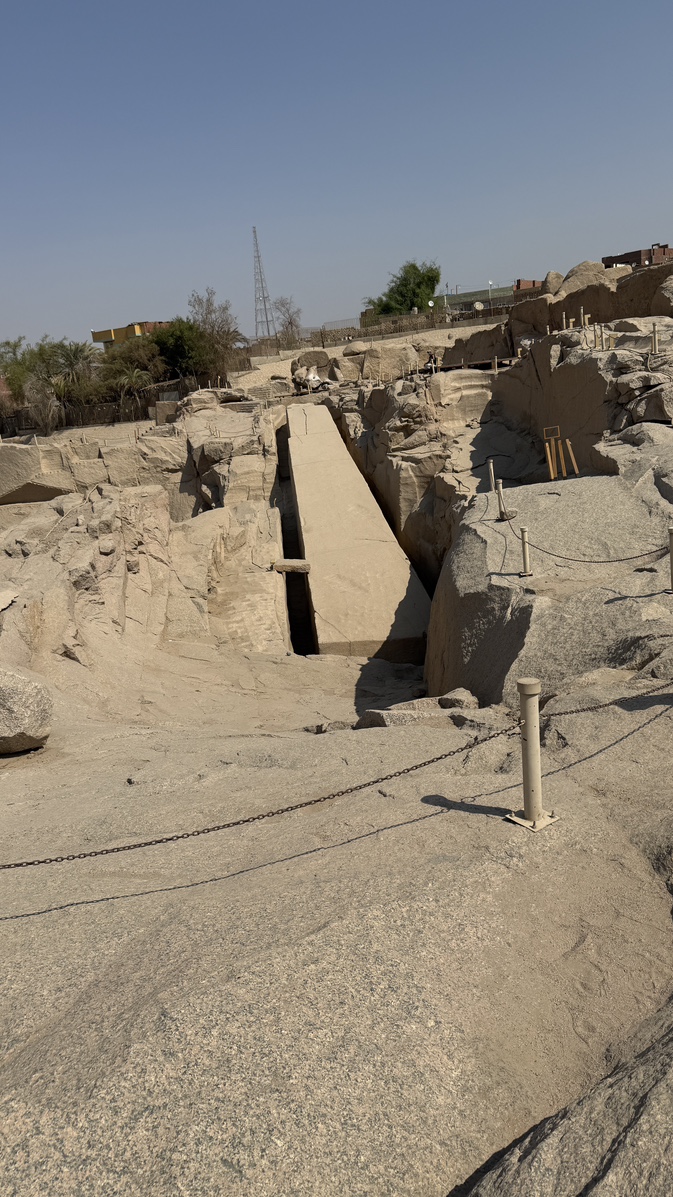
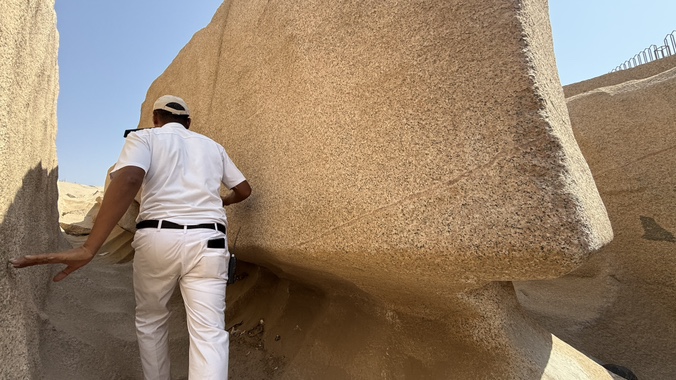
Philae Temple sits on an island, reached by boat. Its columns and carvings looked elegant against the water, although after Giza I felt less of the shock of deep antiquity there. The Unfinished Obelisk made a stronger impression. It still lies attached to the granite of its quarry, abandoned after a crack appeared. Its scale and the visible marks of ancient quarrying made the labor behind Egypt’s monuments suddenly tangible.
Our hotel that night was a small houseboat moored near Elephantine Island, with four guest rooms and a little dining area. Two young staff members met us on the east bank and took a leisurely twenty-minute route across the Nile. The river flashed gold in the late light; inside, the boat was clean, quiet and comfortably cool. For dinner we went to Marly Restaurant on the island for Nubian food, warm spices and a view of Aswan’s lights across the water.
After an early breakfast, our driver took us three hours south through the Sahara toward Abu Simbel. There were a few passport checks on the road near the Sudanese border. Beyond the checkpoints, the landscape seemed almost impossibly still. When we arrived, the four colossal seated figures of Ramses II were even more commanding than the photographs had suggested. Inside, reliefs and statues filled the deep chambers. We had missed one of the much-publicized sunlight dates by only a couple of days, which meant we could see the temple without that particular crowd.
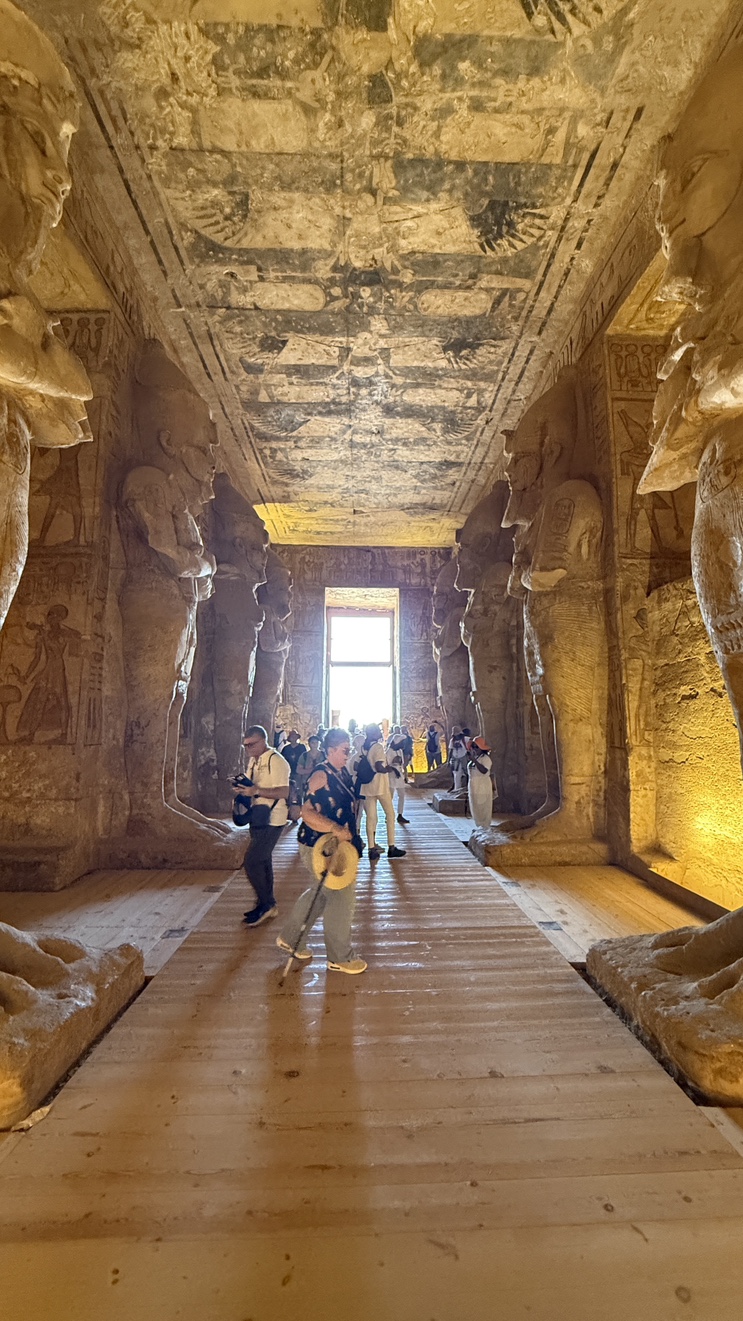
The temples were cut apart and moved to higher ground in the 1960s before the waters of Lake Nasser rose behind the Aswan High Dam. I admire the engineering and understand why the site was saved, yet the visible seams also made me uneasy. What does preservation cost when a monument is removed from its original ground? Our guide described how Nubian communities were displaced by the dam, a human loss that cannot be separated from the celebrated rescue of the temples. I left with more questions than I had arrived with.
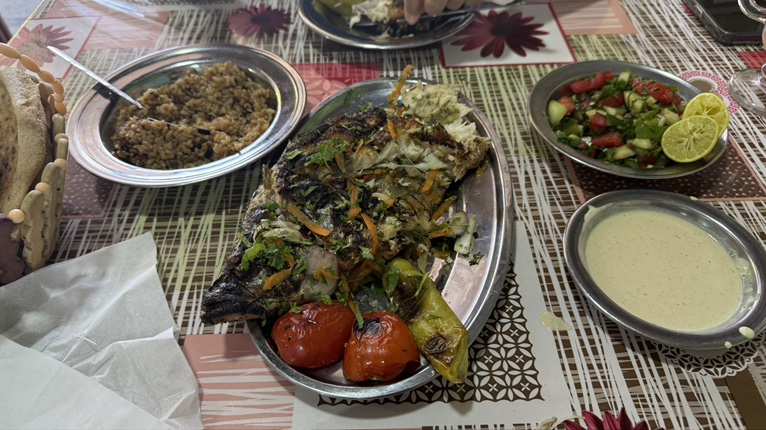
Nearby, we stopped at a small Nubian restaurant for grilled fish, rice, bread, salad and fresh juice. The meal was generous and inexpensive, even if we had to wait a while for it.
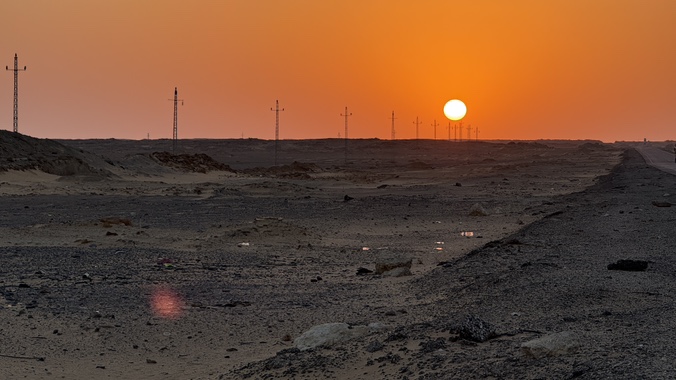
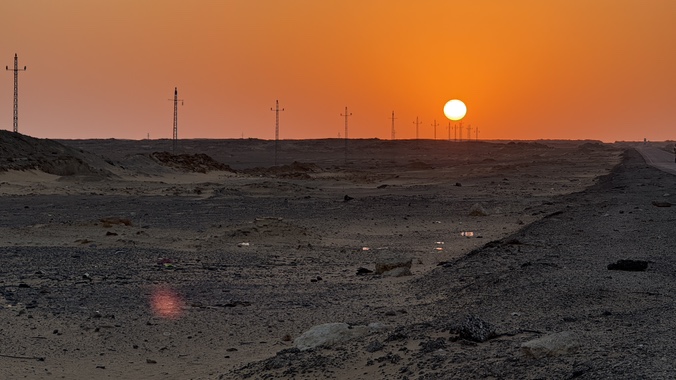
On the drive back to Aswan, the setting sun slowly colored the desert orange. The day had held ancient stone, modern engineering, and people whose lives had been changed by both. That complexity stayed with me as the road disappeared into the evening.
Reader Discussion · 0
No comments yet. Be the first to share your experience.